Project 17
Street Art 101
Mural Arts Production, Art Education, Cultural Exchange, Community Development
Project Brief
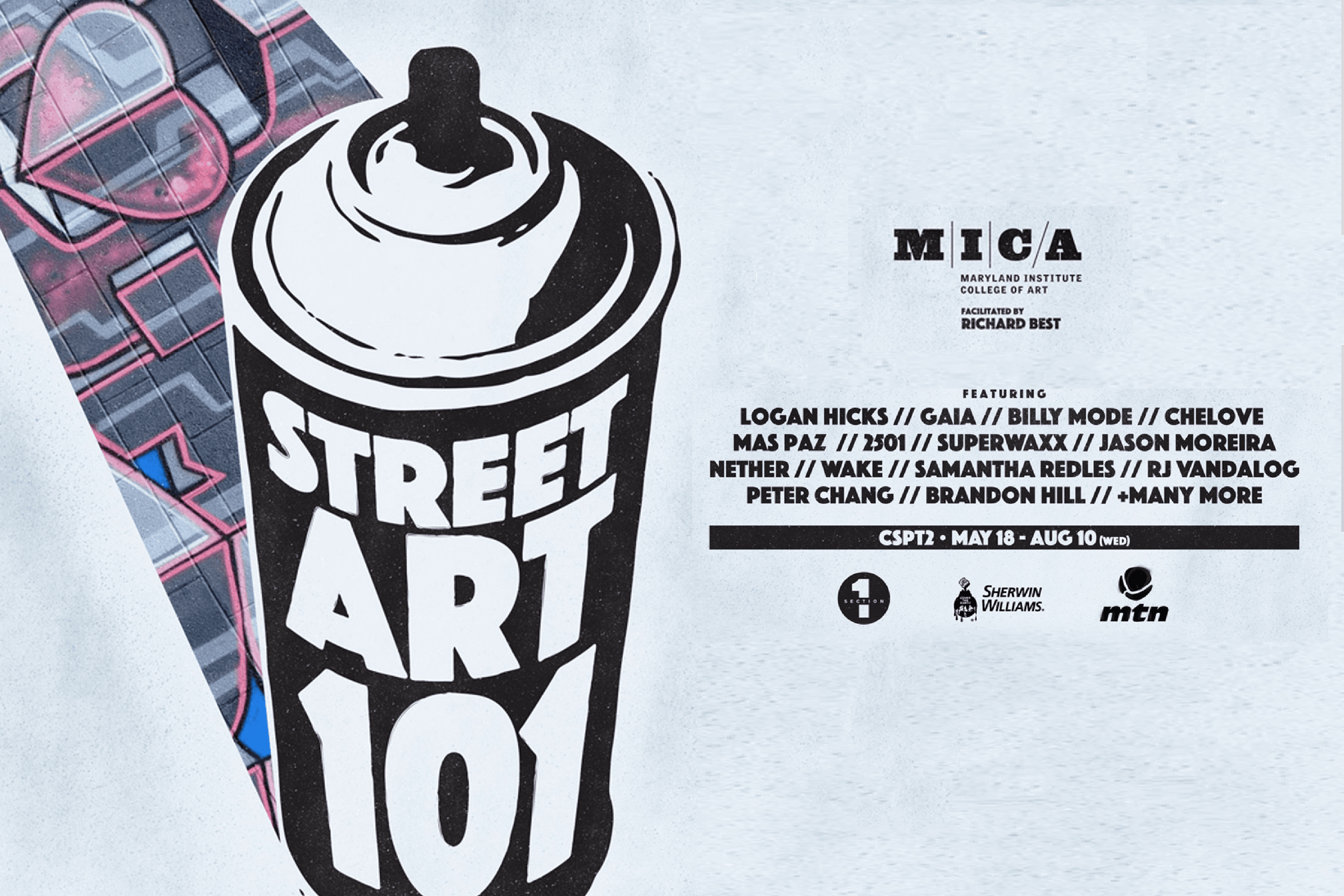
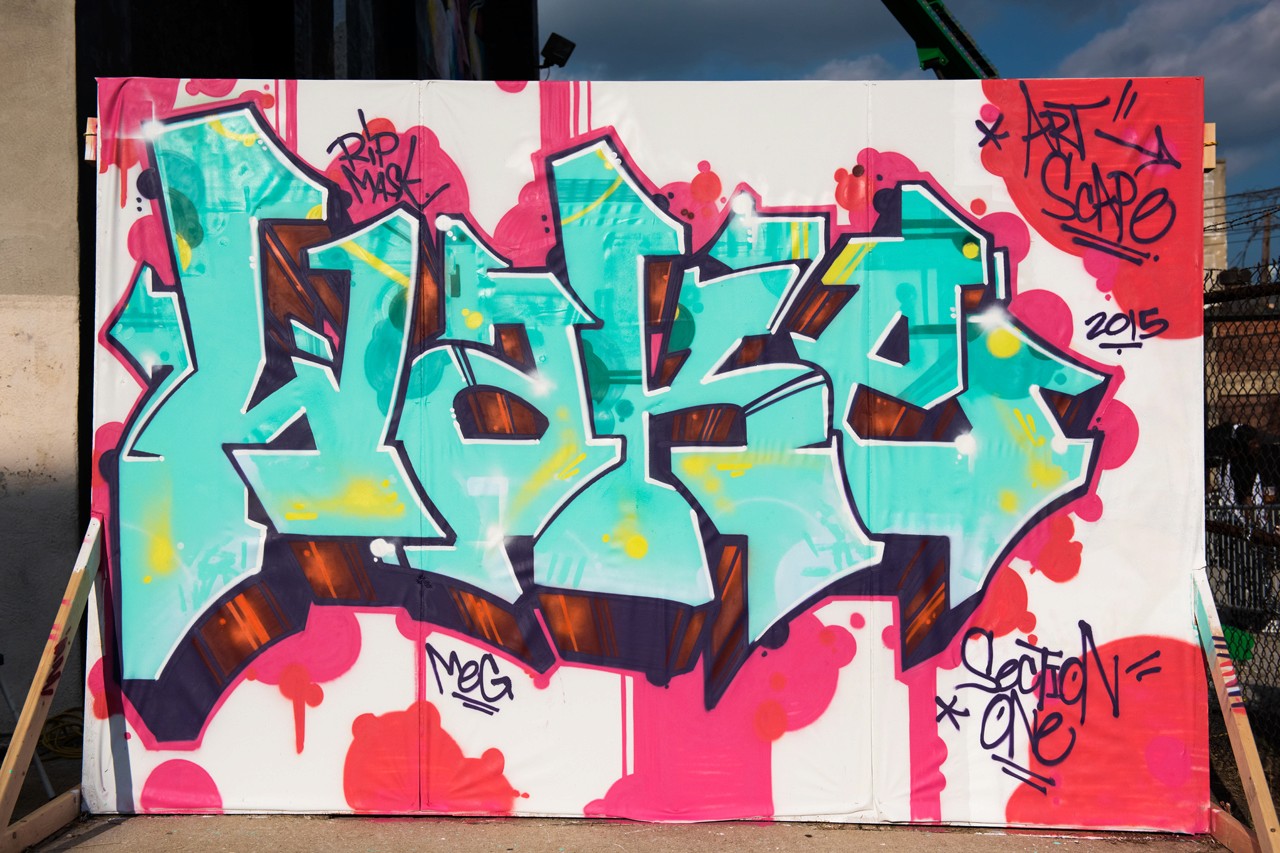
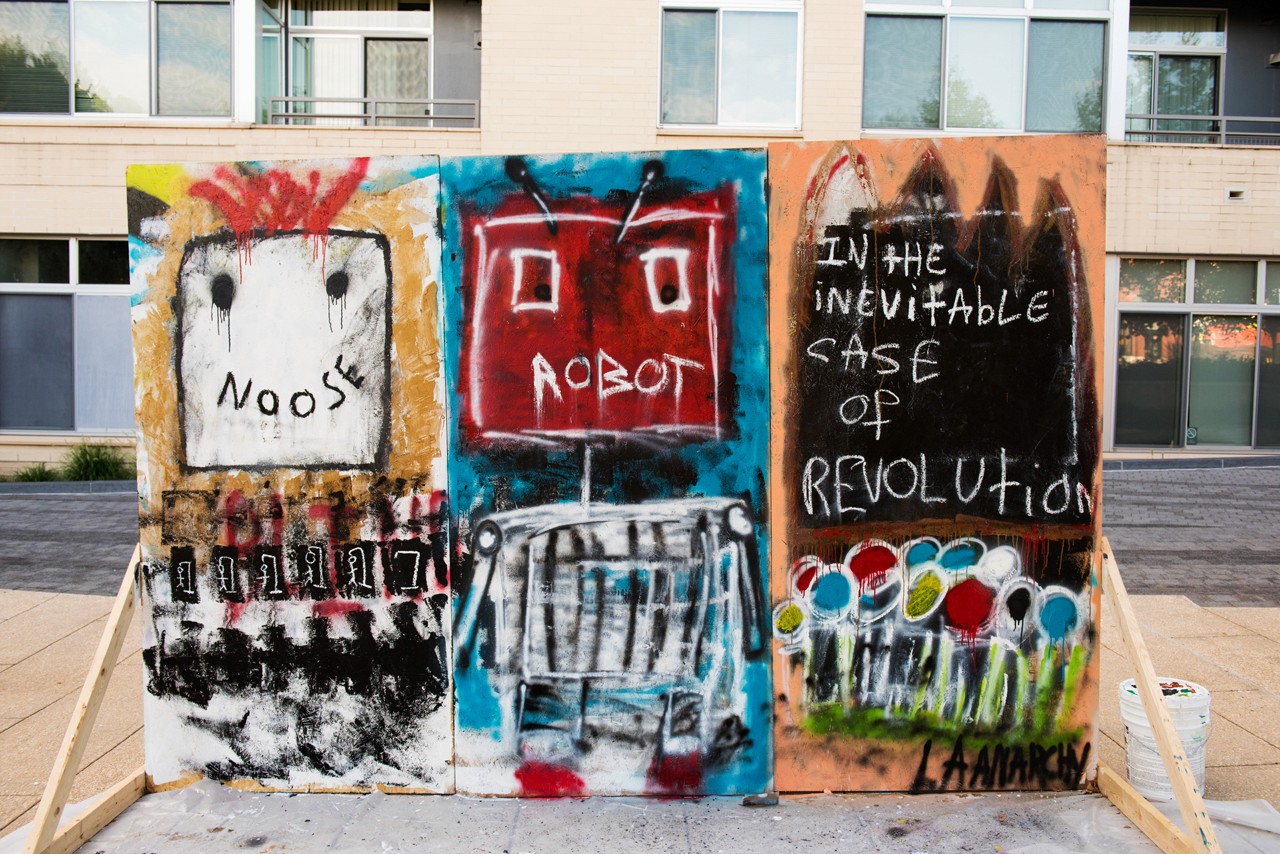
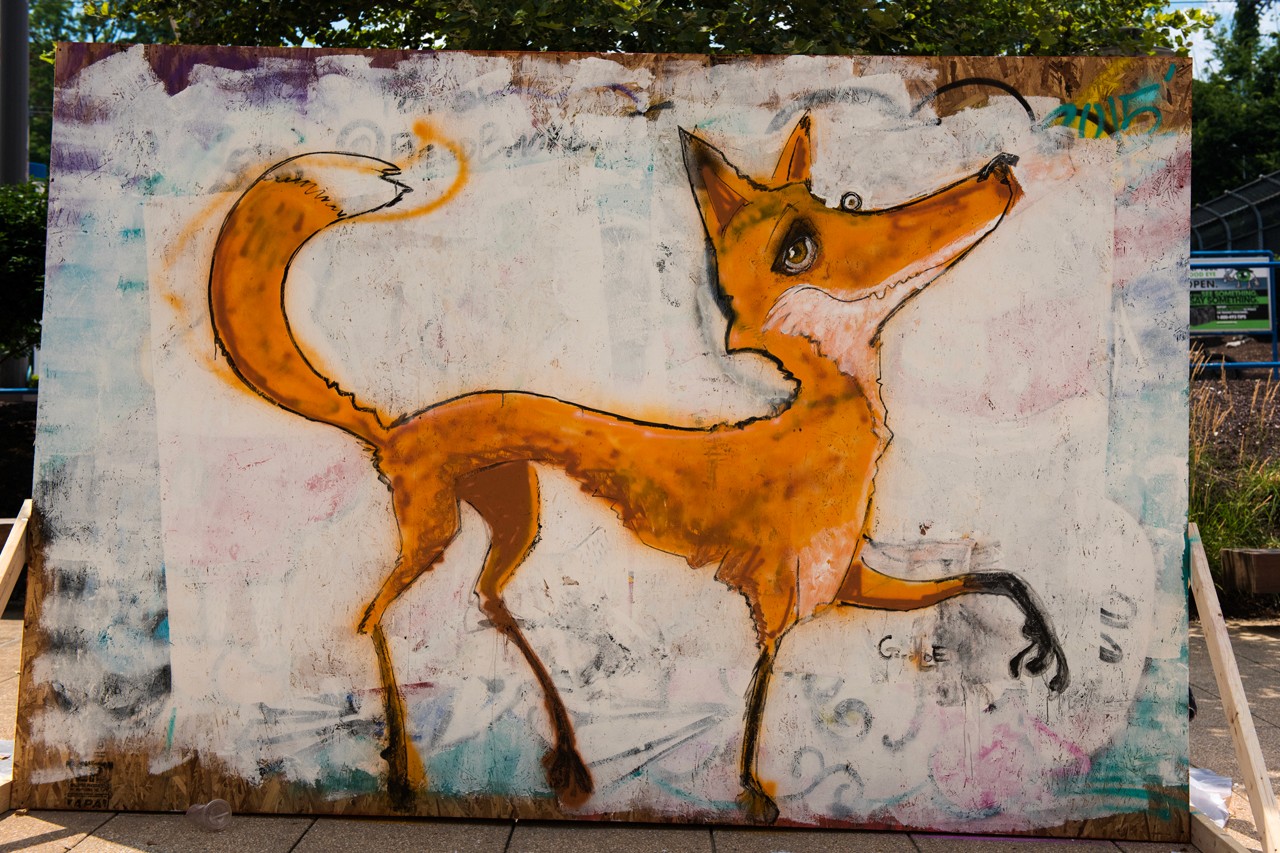
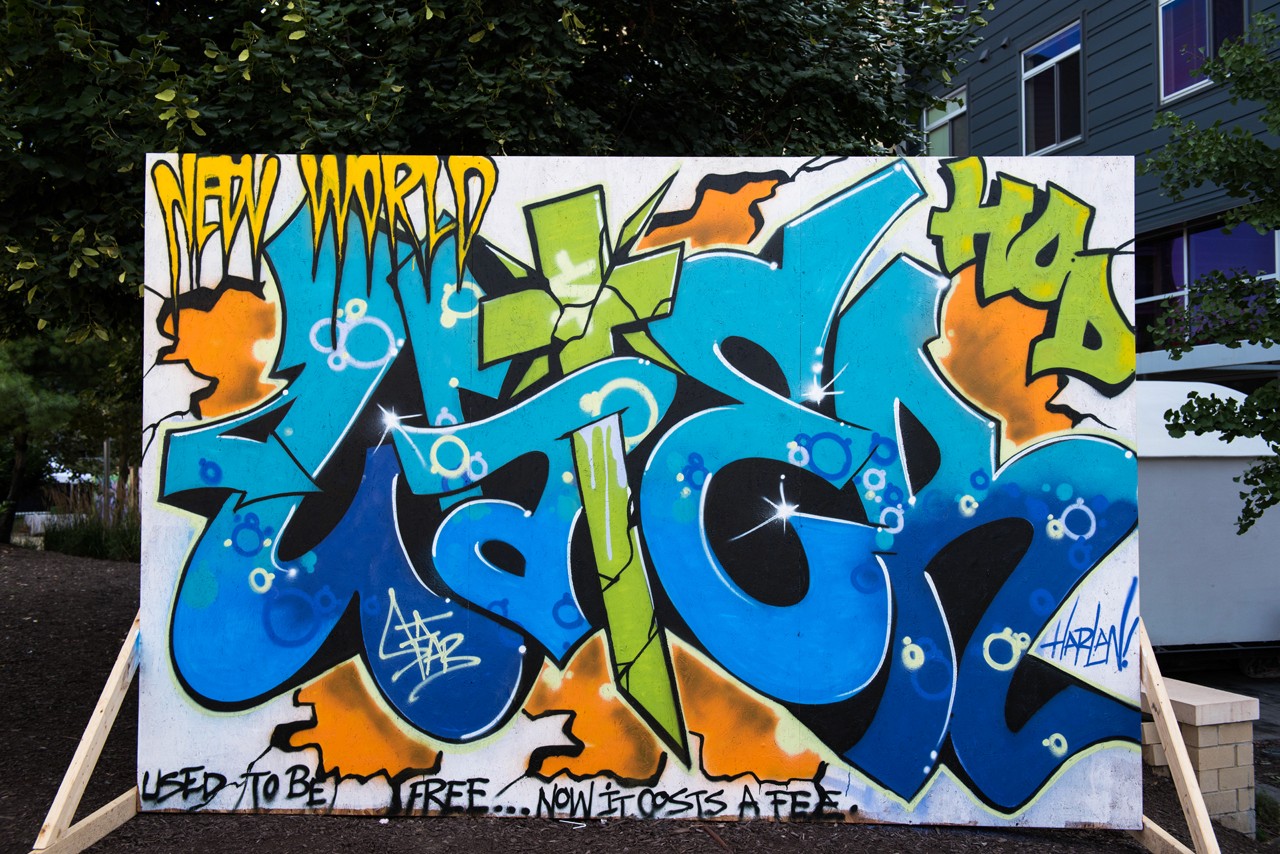
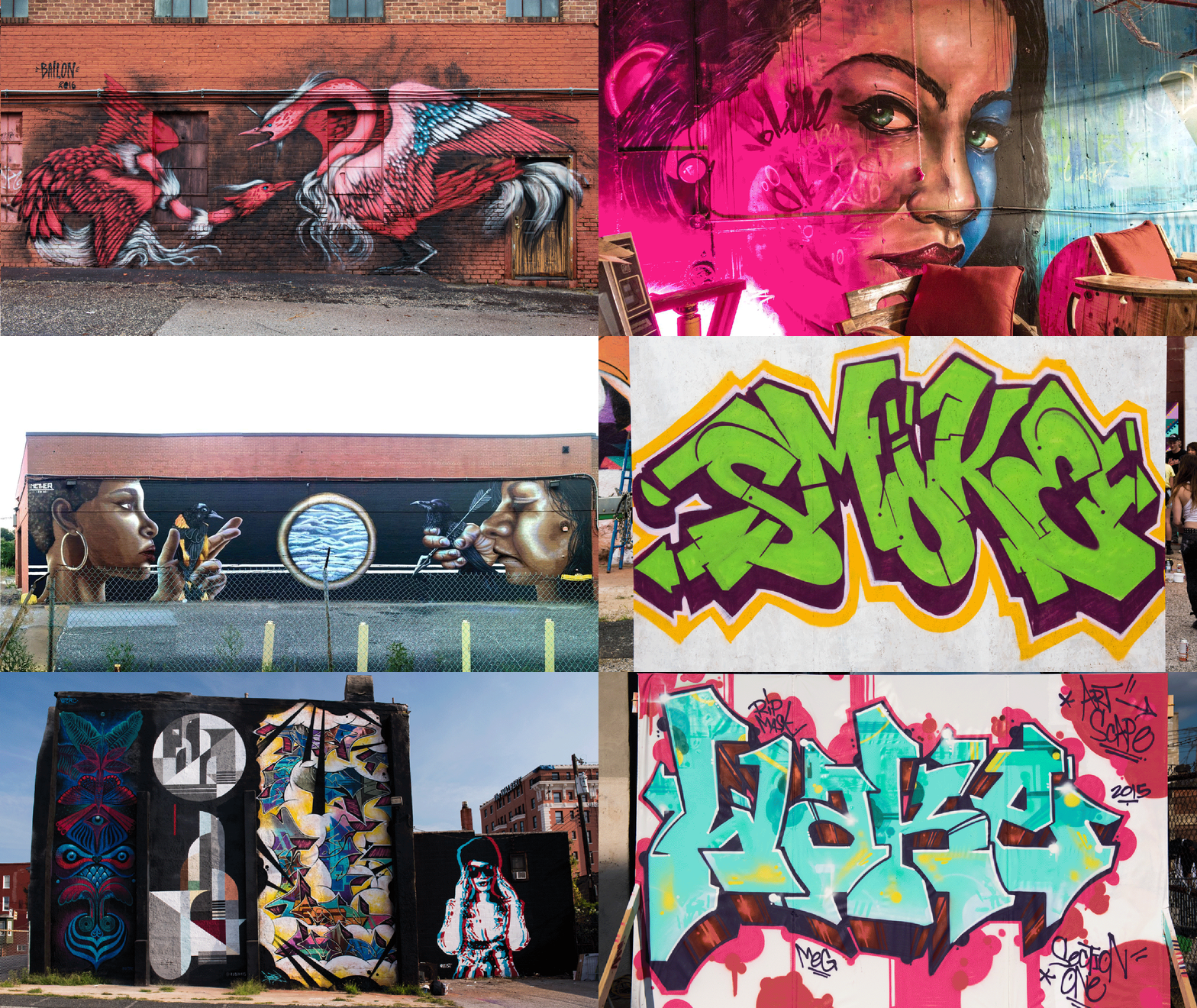
Street art had no academic home in the United States. No accredited curriculum, no formal study, no institutional recognition of one of the most impactful public art forms in the world. I developed and taught Street Art 101 at Maryland Institute College of Art in 2016—the first accredited street art course in the U.S. Extended this educational mission into cultural exchange programs, fundraising exhibitions, and hundreds of community murals that brought Baltimore's street art scene to national prominence.
Duration
2014 - 2024
Stack
Mural Production, Curriculum Development, Community Programming, Event Production, Fundraising
Services
Art Education, Cultural Exchange, Exhibition Production, Community Development, Fundraising
$250K Raised
Cultural Exchange
100+ of Murals
Project Overview

Developed and taught Street Art 101 at Maryland Institute College of Art in 2016—the first accredited street art program in the United States. The curriculum covered art history, advanced painting techniques, large-scale production methods, color theory, composition, and foundational elements essential for advanced artistic development.
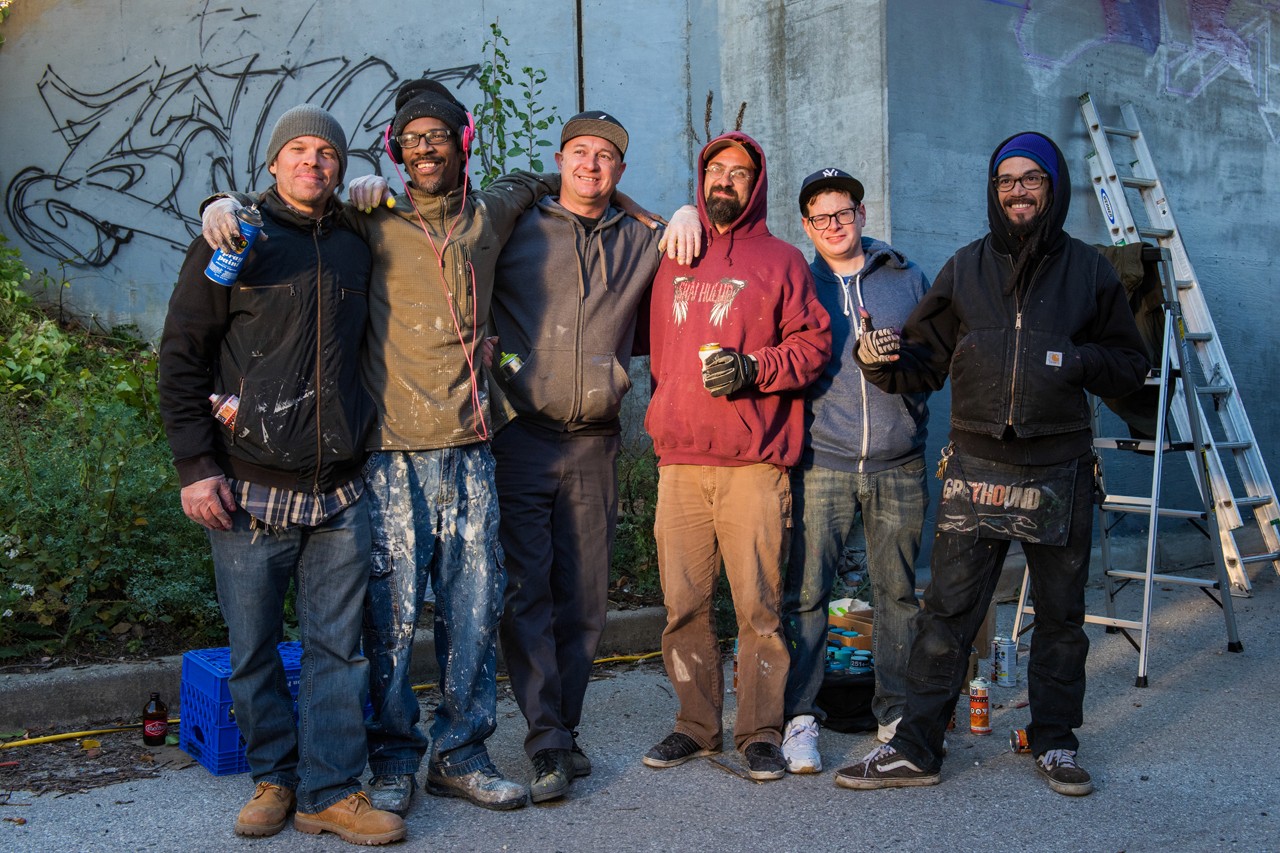
Brought prominent visiting artists to teach painting methods alongside traditional curriculum, giving students direct access to working professionals. Collaborated with local organizations to provide students with real public mural opportunities, turning classroom learning into permanent community installations.
Beyond the classroom, facilitated a Baltimore-to-Buenos Aires cultural exchange program (Roots & Raices) that brought Argentine artists including Alfredo Segatori, El Marian, Luxor, Patxi Mazzoni Alonso, Maxi Bagnasco, and Nazza Stencil to Baltimore alongside local legends Billy Mode, Chris Stain, Martha Cooper, and dozens more. The program culminated in the Roots & Raices show at Gallery 788—a celebration of creativity and cultural identity exploring the roots that shape communities. Also facilitated a Baltimore-Brazil exchange, bringing artists together for wall murals and community art shows featuring both local and nationally renowned talent.
Key Collaborators: Logan Hicks, Steven Powers, Martha Cooper, Billy Mode, Chris Stain, Alfredo Segatori, El Marian, Luxor, Patxi Mazzoni Alonso, Maxi Bagnasco, Nazza Stencil, Gaia, Michael Owen, Chelove, HKS 181, Gregg Deal, Toven + hundreds more
Recognition & Highlights:
First Accredited Street Art Course in the U.S. (MICA 2016)
Roots & Raices Cultural Exchange (Baltimore ↔ Buenos Aires)
Baltimore ↔ Brazil Cultural Exchange Program
Series-A Art Bond Campaign ($40K raised)
Panelist - Wall Writers with Roger Gastmen (2016)
Artist - Basel House Mural Festival (2016)
Artist Assistant - Open Walls Baltimore (2014)
Artist - Articulate Baltimore Mural Festival (2014)
My Approach

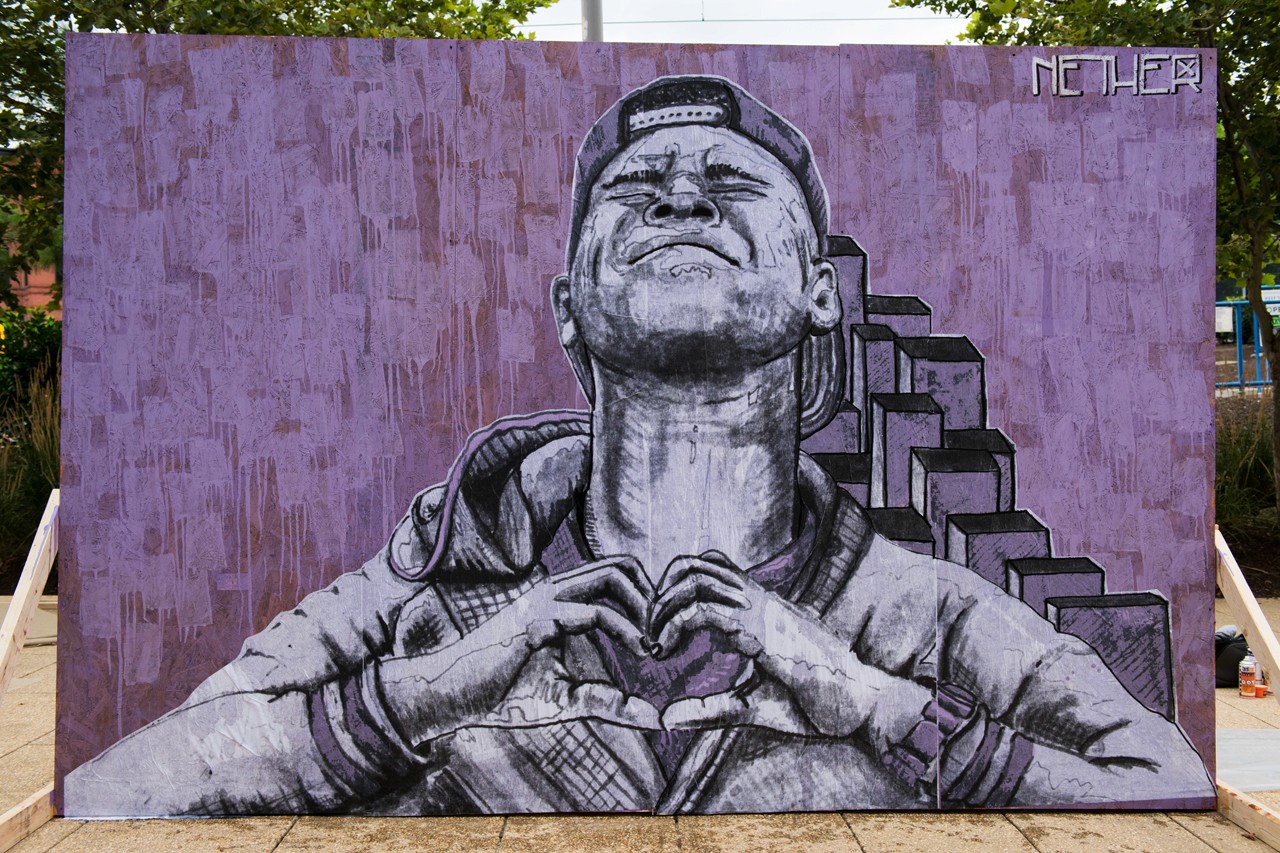
Street art had always been treated as vandalism with ambition—talented, impactful, culturally significant, and completely ignored by academic institutions. Building the Street Art 101 curriculum at MICA wasn't just about teaching painting techniques. It was about forcing institutional recognition of an art form that had shaped cities, movements, and generations without ever receiving academic credit.
The why was simple: if street art was powerful enough to define communities, it was powerful enough to be studied. Designed the curriculum to bridge the gap between the streets and the institution without sanitizing what made street art radical in the first place.
Cultural Exchange as the Highest Form of Street Art: The reason murals matter isn't the paint—it's the conversation they start. Facilitating exchanges between Baltimore, Buenos Aires, and Brazil was an extension of that belief. Bringing international artists into Baltimore neighborhoods and sending local artists' cultural DNA into new cities created dialogue that no gallery show could replicate. The methodology was intentional: pair artists around shared themes of cultural identity and community roots, give them walls in meaningful locations, and let the work speak without institutional mediation. Art as diplomacy, produced in public, for everyone.
Community Investment Over Individual Recognition: Every educational program, cultural exchange, and fundraising campaign was built on the same conviction—street art's power compounds when artists invest back into their communities. Teaching at MICA, producing the Roots & Raices show, raising $40K for Section1, hosting visiting artists, mentoring students through real public projects—none of it was about personal visibility. It was about building infrastructure that made the next generation of artists better, the city more vibrant, and the street art community more cohesive. The work was always bigger than any single wall or any single artist.
Word on the Street