Project 16
Anaglyphic 3D Murals
Mural Artist, Cultural Exchange, Large-Scale Production
Project Brief
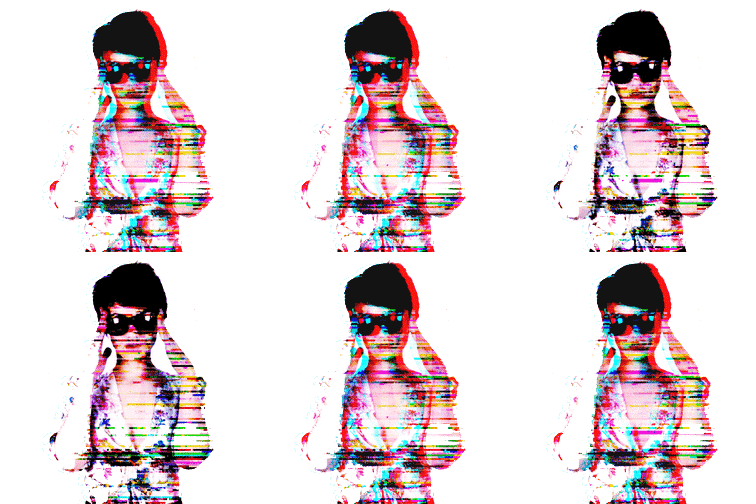
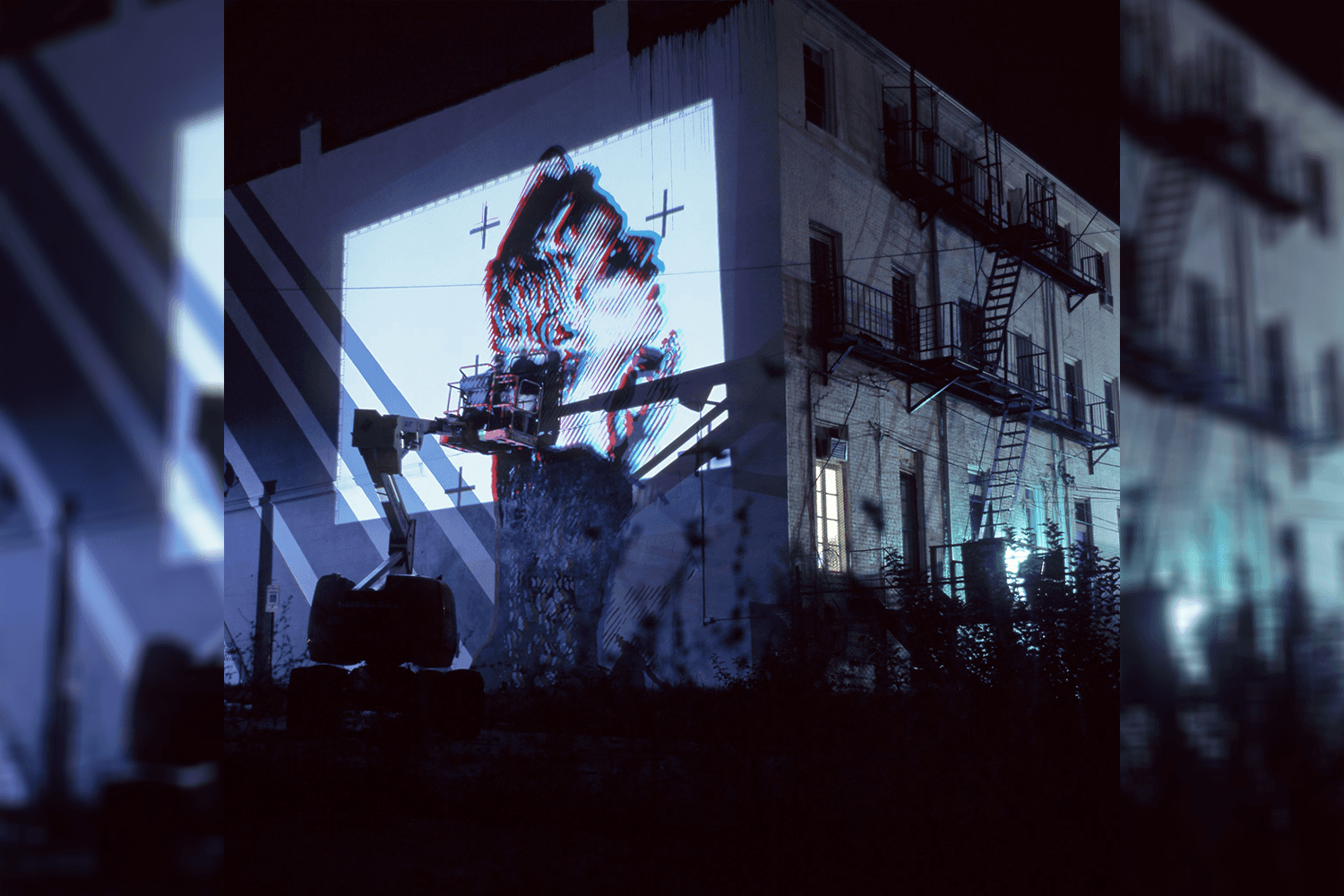
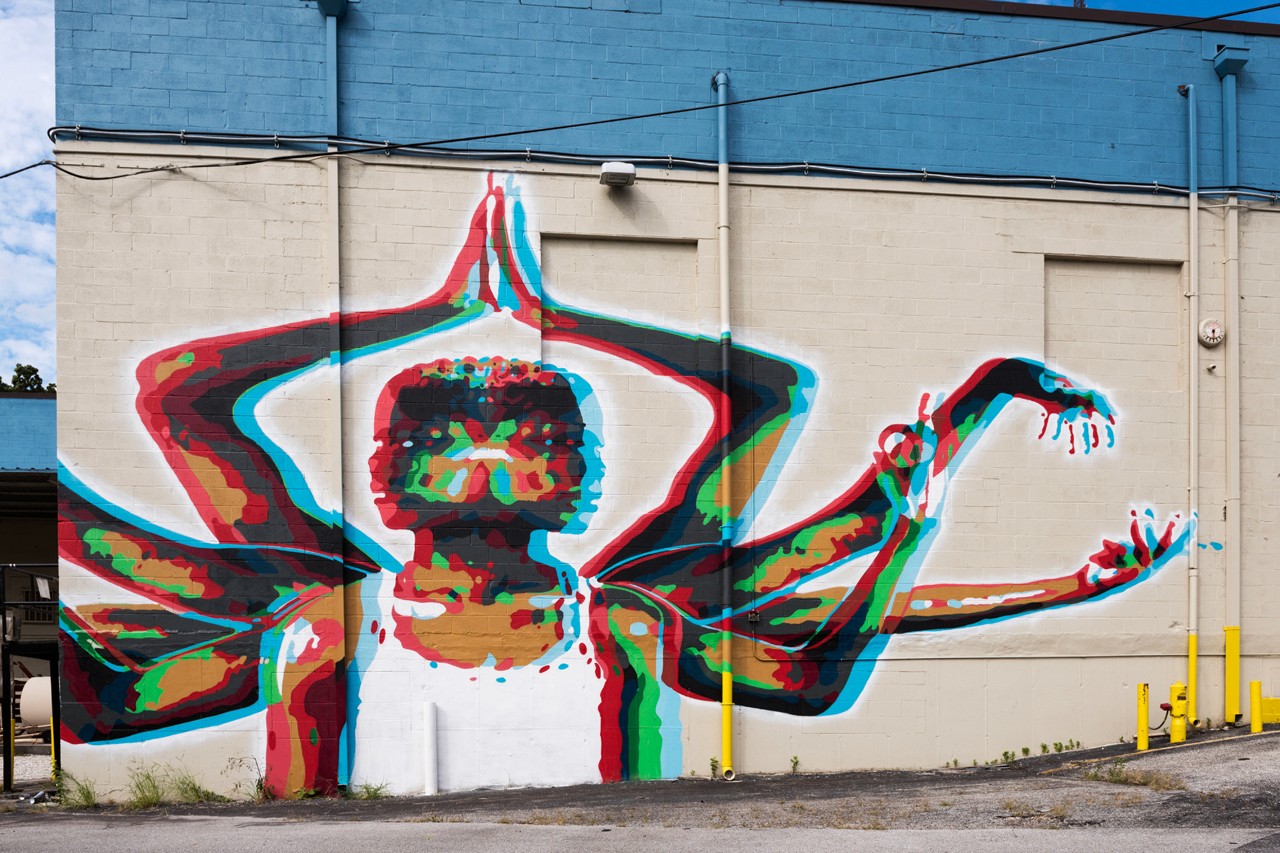
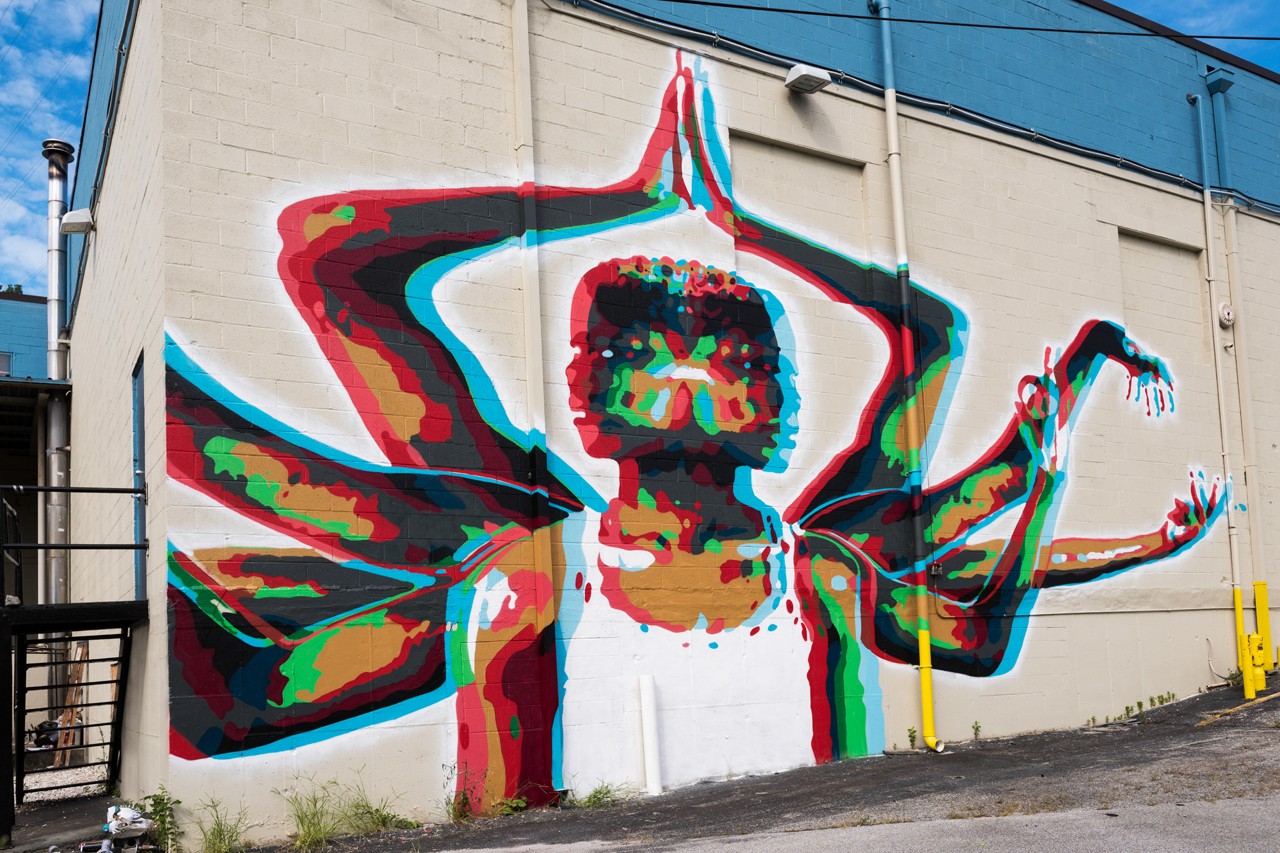
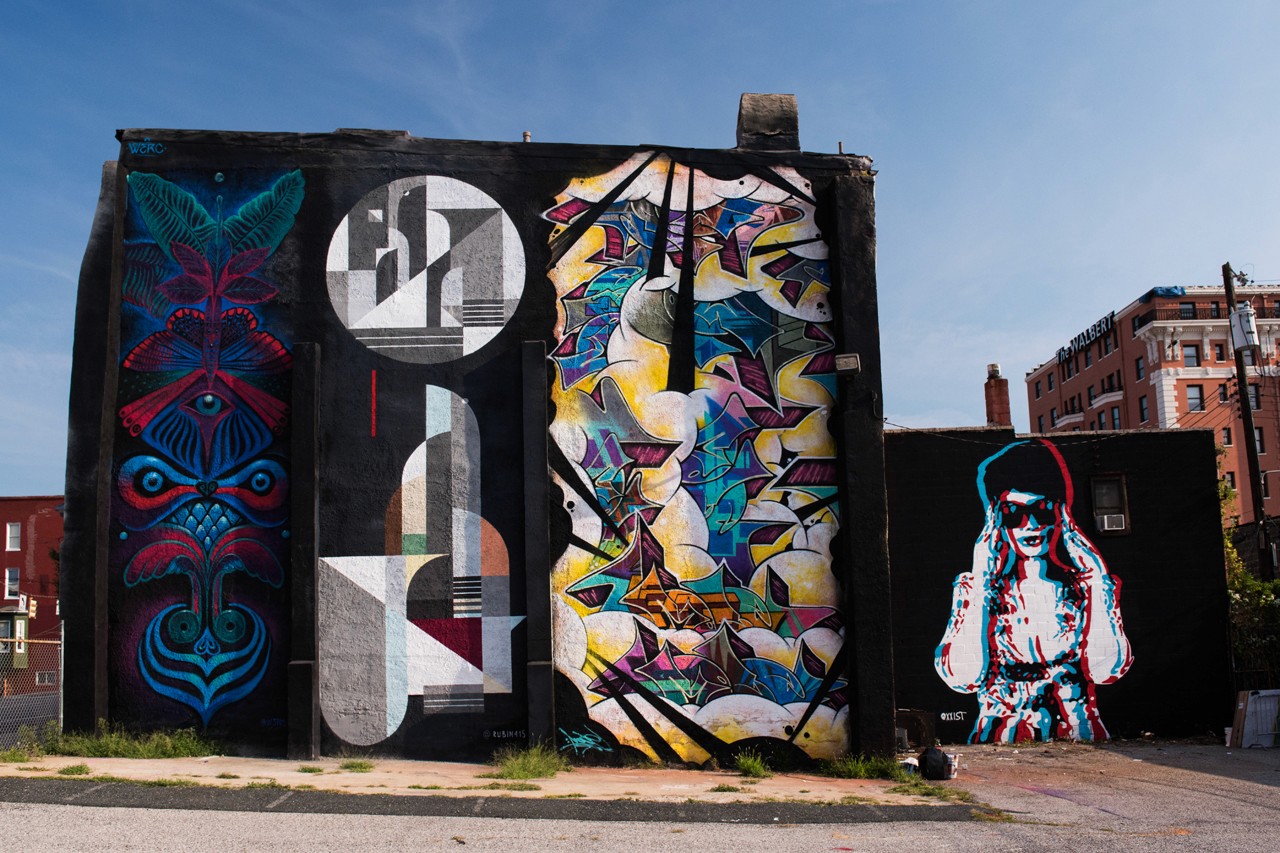
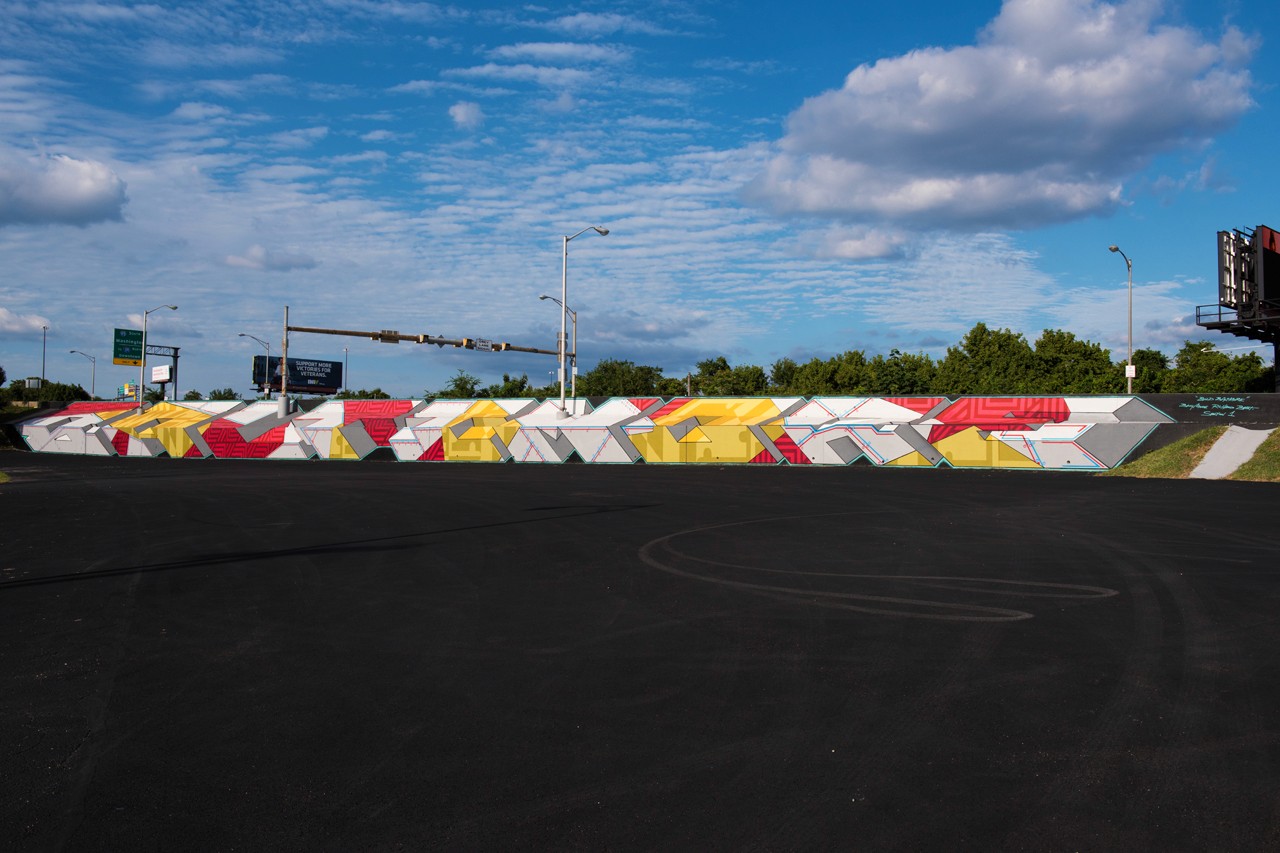
In 2014, pioneered anaglyphic 3D murals— I becoming the first artist globally to apply red/cyan stereoscopic effects to large-scale street art. The technique creates optical illusions where imagery appears to float forward from the wall when viewed with specialized glasses, transforming flat surfaces into dimensional experiences. Over a decade, painted 50+ walls across Thailand, Vietnam, Miami, DC, Baltimore and LA while serving as Baltimore's go-to artist for mural services and interior activations.
Duration
2014 - 2024
Stack
Spray Paint, Acrylics, Anaglyphic 3D Technique, Large-Scale Production, Cultural Research
Services
Mural Production, Interior Activations, Cultural Exchange Programs, Art Education
50+ walls painted
200+ walls produced
8
Project Overview

Pioneered anaglyphic 3D murals in 2014, becoming the first artist globally to apply stereoscopic red/cyan effects to large-scale street art. This technique uses specialized glasses to create optical illusions where imagery appears to float forward from the wall, transforming traditional murals into dimensional experiences. Over 10+ years, painted 100+ walls across Thailand, Vietnam, Miami, and Baltimore—producing over 50 large-scale murals while serving as Baltimore's primary resource for mural services and interior activations.
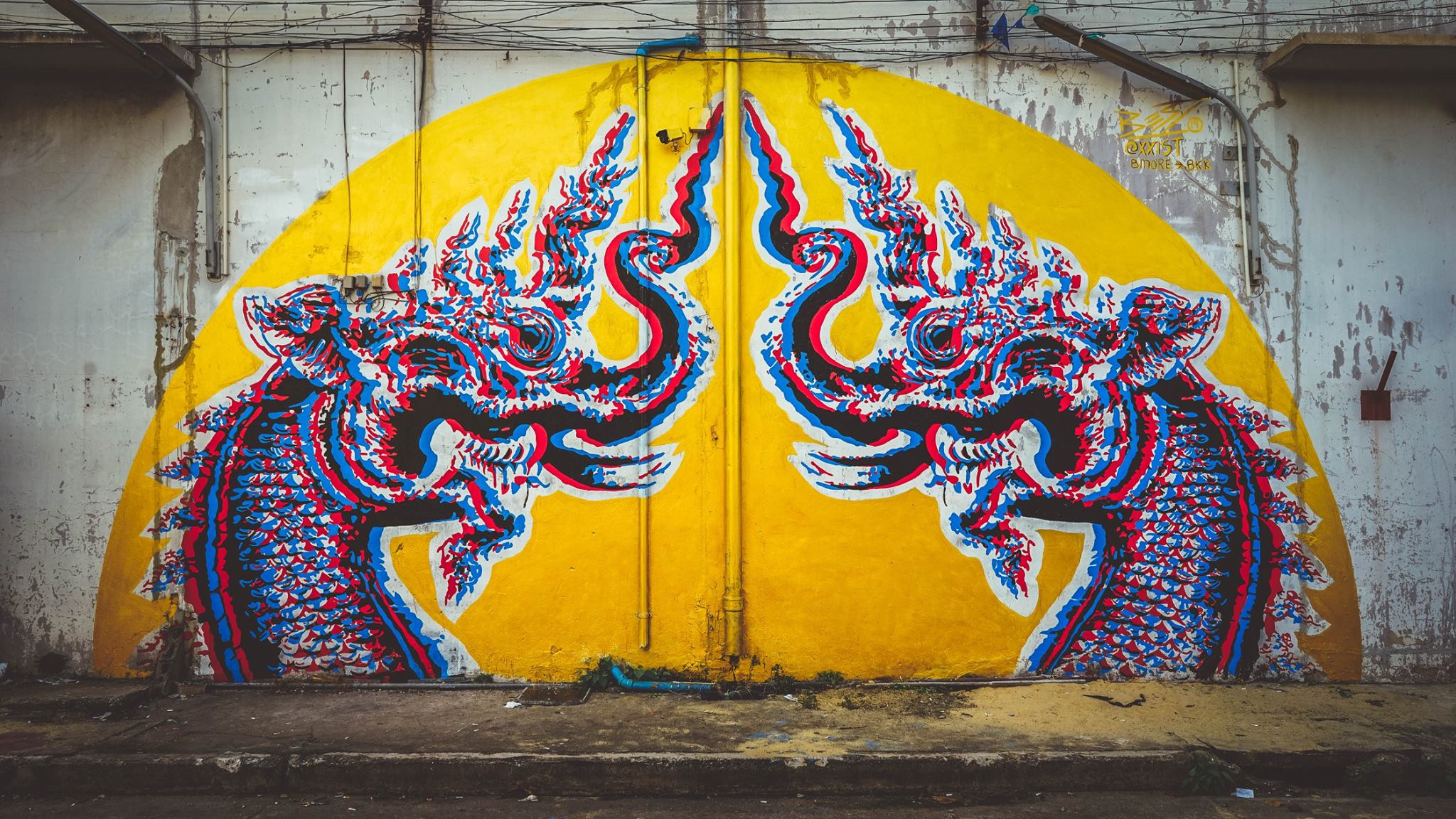
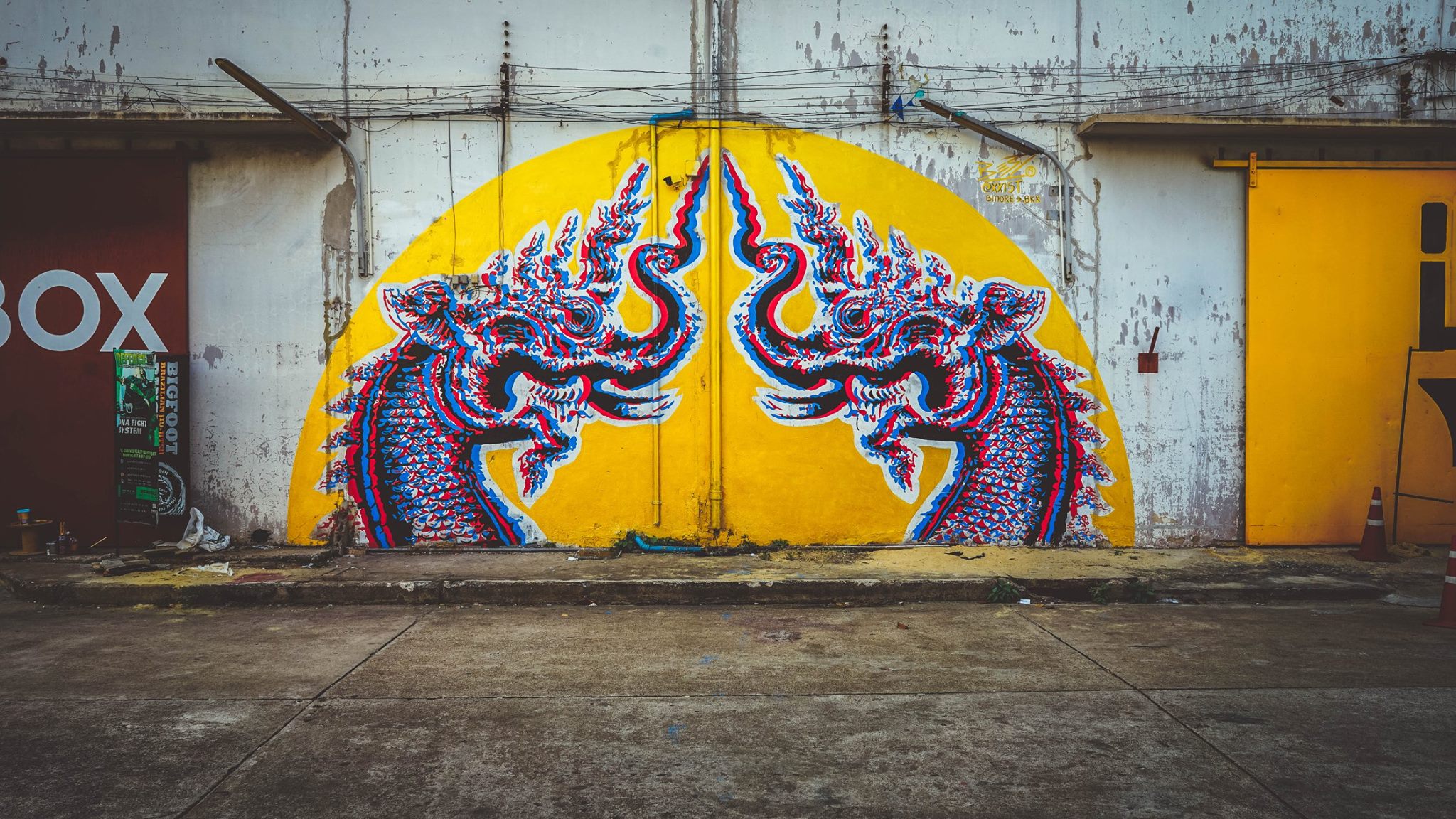
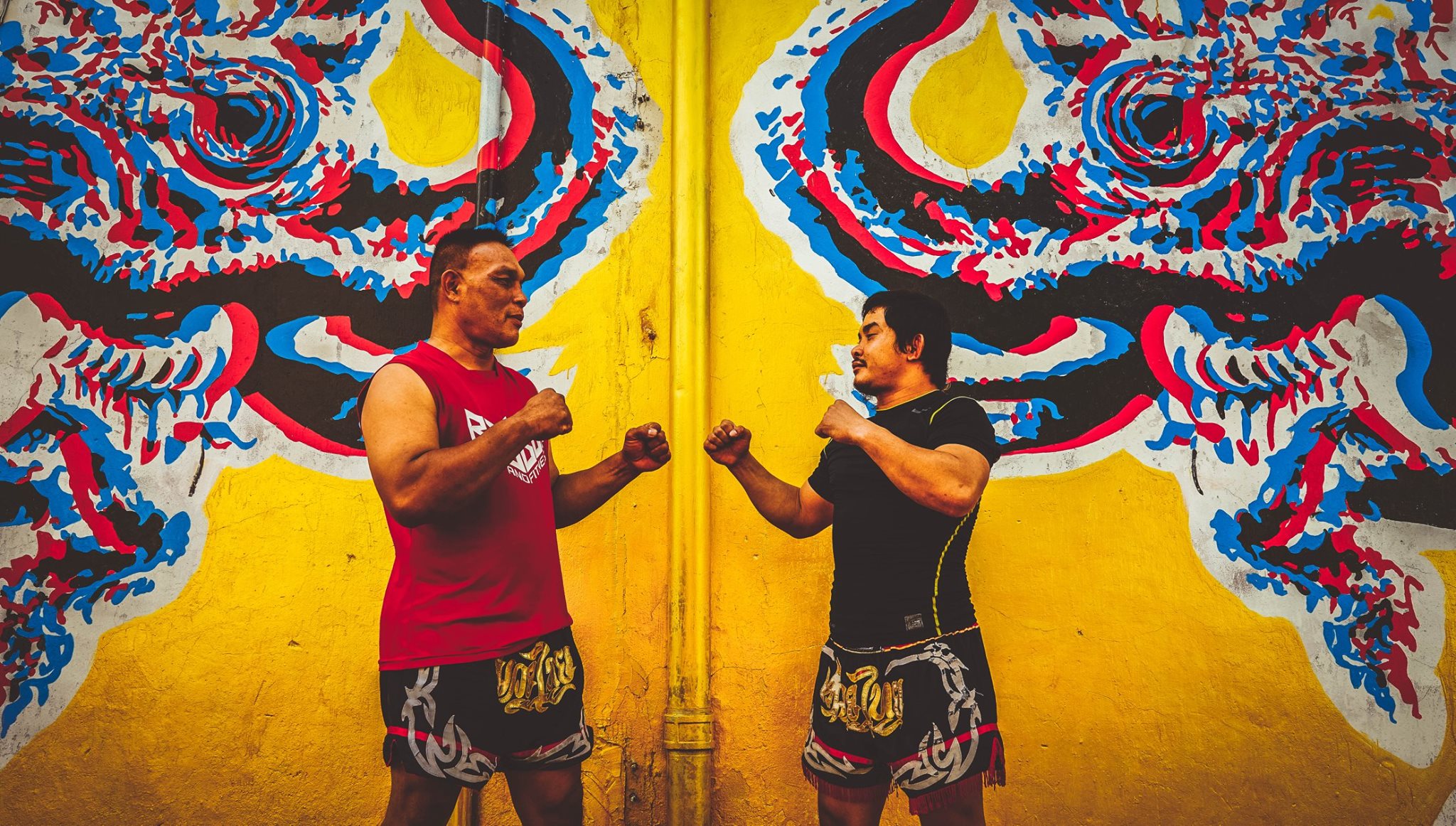
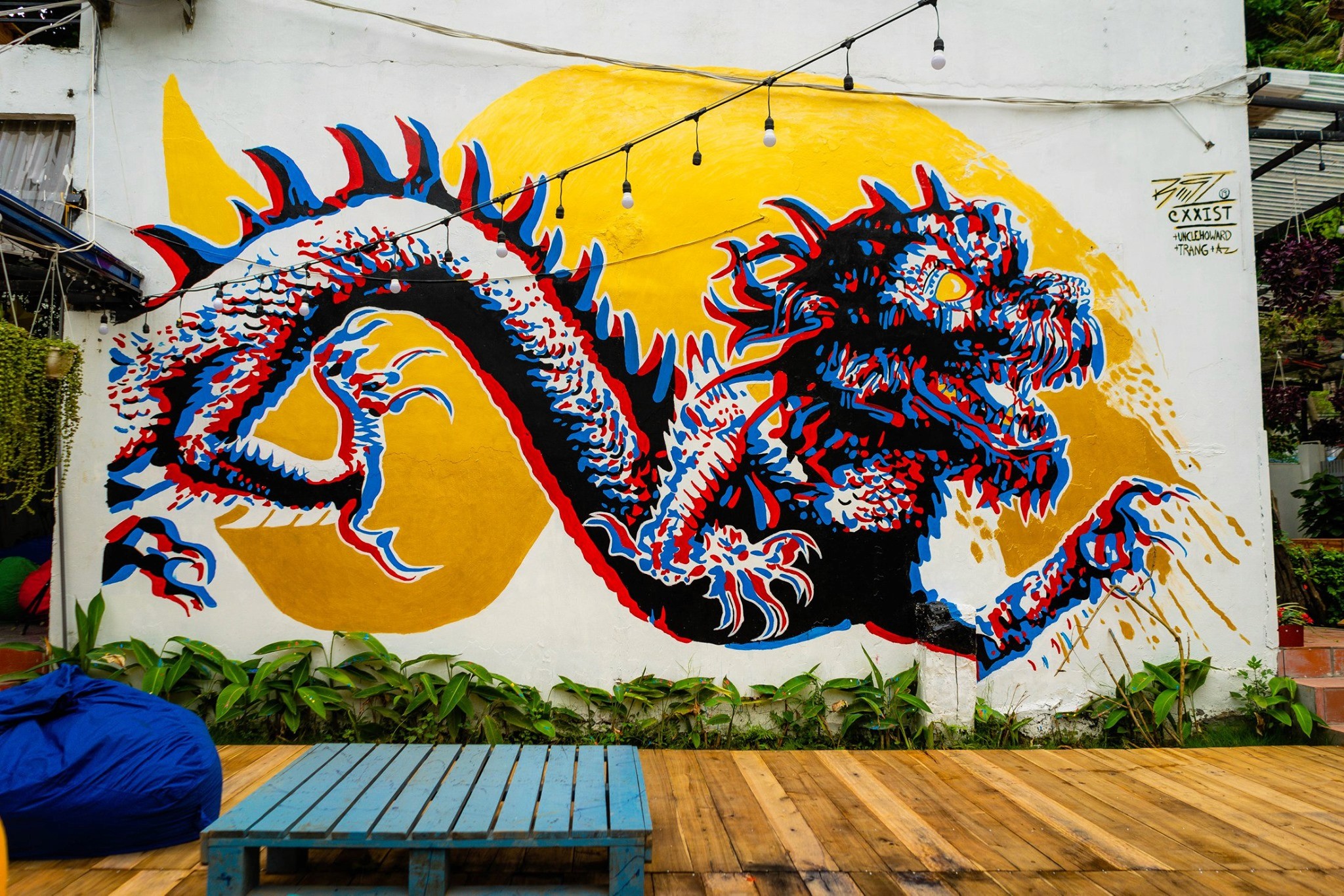
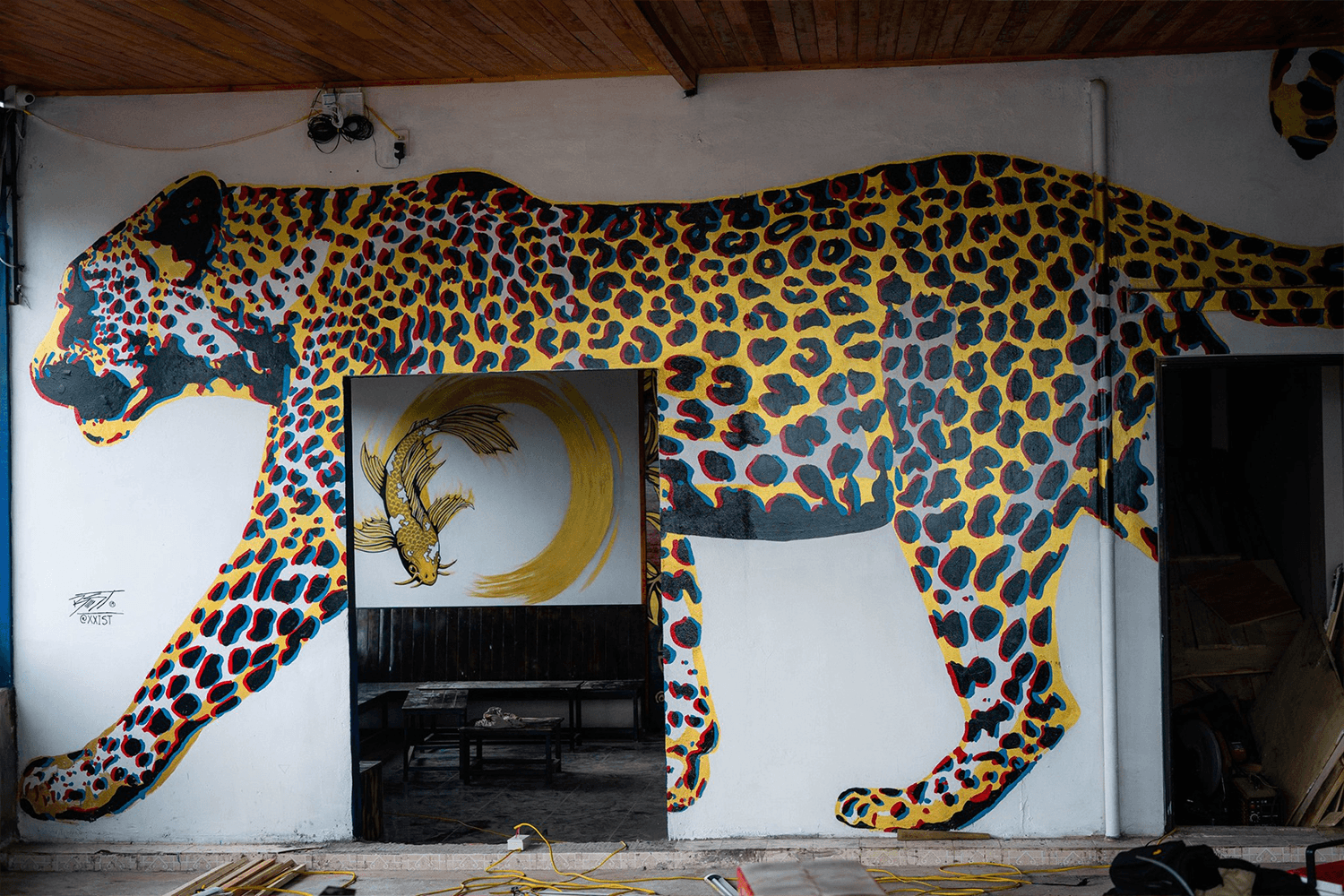
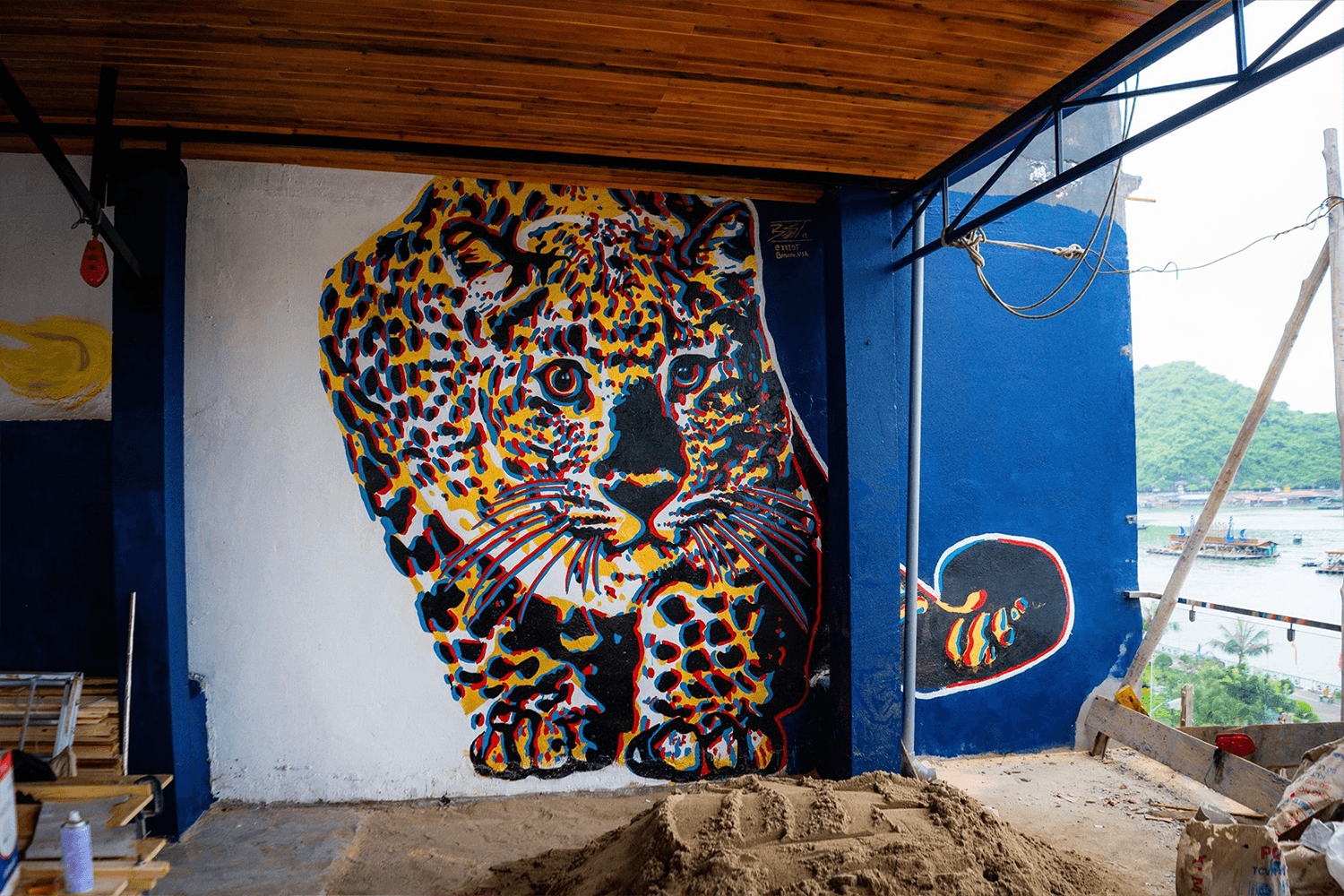
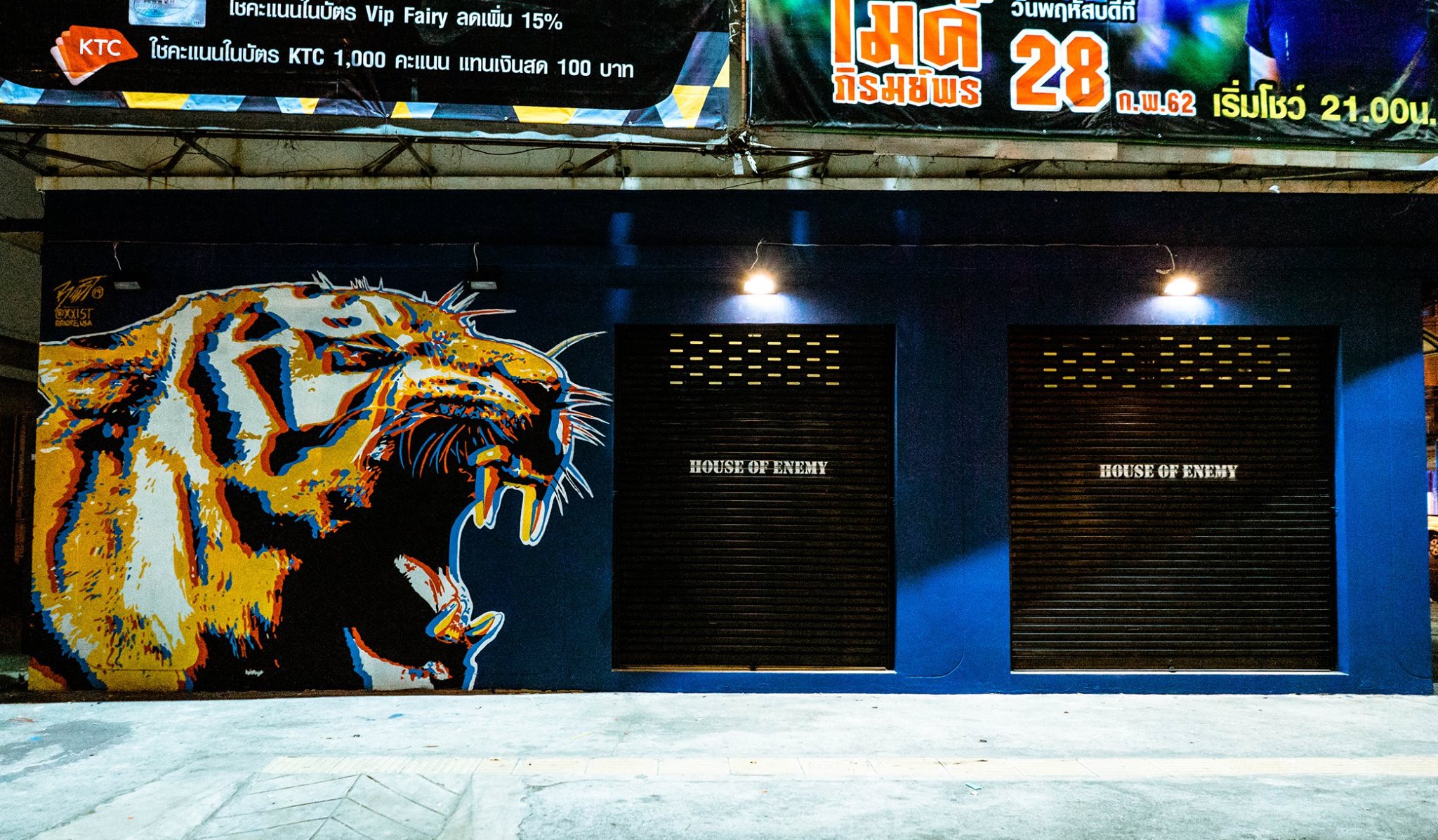
Notable productions include a 100ft mammoth for Under Armour at their City Garage innovation factory (collaboration with Billy Mode, 1 month production, 200 gallons of paint), a Naga serpent at Big Box kickboxing gym in Thailand rendered in anaglyphic 3D (coordinated through dissident artist Headache Stencils), a Bengal tiger on a prominent street in Khon Kaen symbolizing the city's strength, and the Mother Dragon on a Cat Ba hostel paying tribute to Ha Long Bay's cultural history. Each piece embraced local cultures and mythologies, showcasing them through the unique dimensional aesthetic that became the signature style.
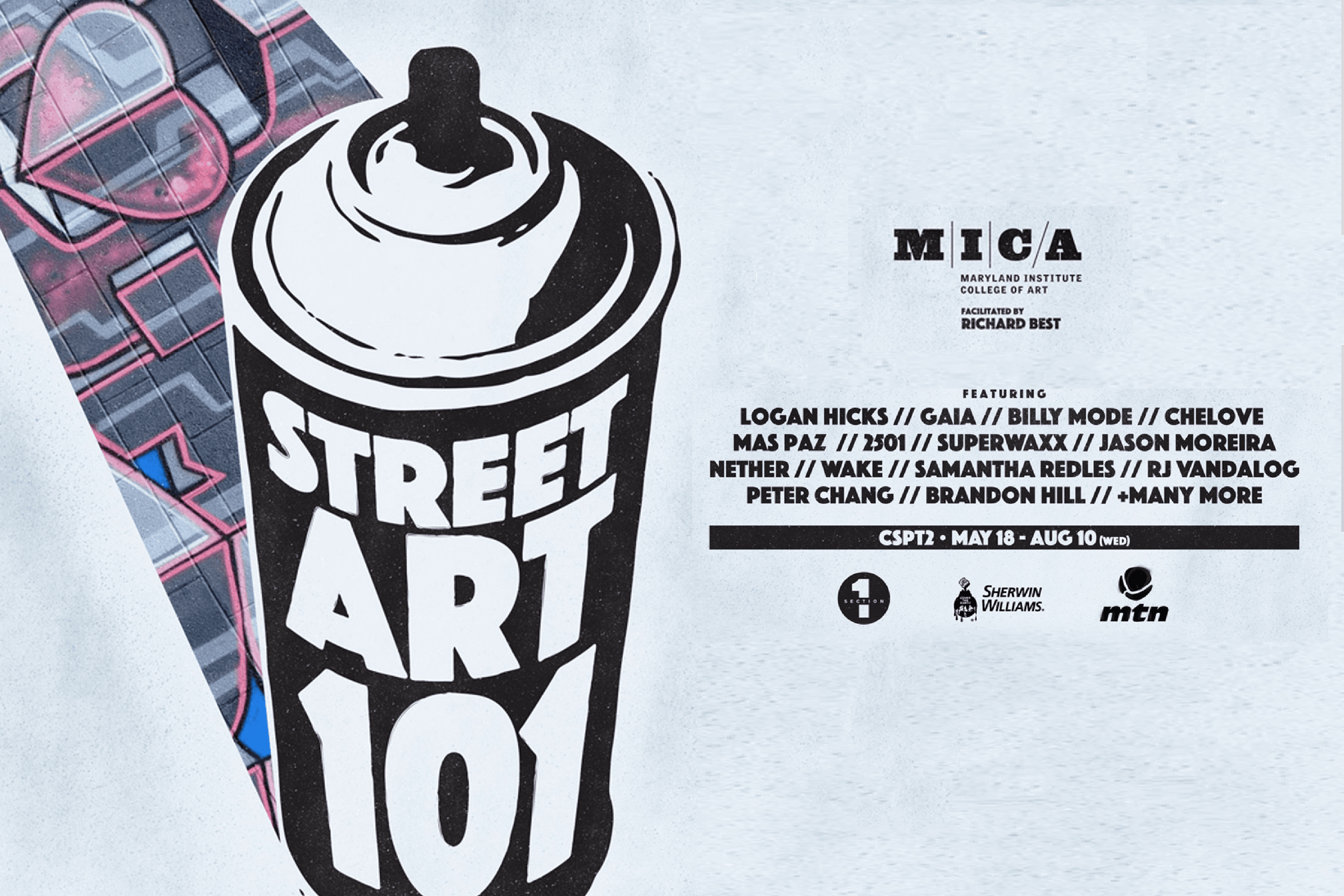
Beyond individual murals, served as curator for the Buenos Aires Cultural Exchange Program (2018), panelist for Wall Writers with Roger Gastmen (2016), and instructor for Street Art 101 at Maryland Institute College of Art (2016). Participated in Basel House Mural Festival (2016), Open Walls Baltimore (2014), and Articulate Baltimore Mural Festival (2014). For over a decade, was Baltimore's go-to artist when clients needed large-scale murals or interior activations—building a reputation for delivering professional results on ambitious projects that pushed technical and creative boundaries.
My Approach

Street art found me before I found it. The idea that a flat wall could trick the eye into perceiving depth—that two-dimensional surfaces could feel three-dimensional—became an obsession. When anaglyphic 3D technology (the same red/cyan stereoscopic effect from classic 3D cinema) crossed my path in 2014, the application was immediately obvious. Spent months mastering color separation, spatial planning, and scale—figuring out how to make walls breathe.
I became the first artist globally to apply the technique to large-scale murals, turning a technical curiosity into a signature style that made every wall a dimensional experience.
I never approached a wall as a blank canvas for self-expression—approached it as a responsibility to the community it belonged to. Every mural was research first: local mythology, cultural symbols, what the space meant to the people who walked past it daily. The Naga serpent in Thailand, the Mother Dragon in Vietnam, the Bengal tiger representing Khon Kaen's strength—these weren't designs imposed on spaces, they were gifts rendered in paint. Street art's affirming nature is what drew me to it: unlike gallery work behind closed doors, murals meet people where they are, beautifying neighborhoods while demanding nothing in return.
Street art remains one of the most powerful platforms available to any artist. No gallery gatekeepers, no collector networks, no pay-to-play. Just a wall, paint, and every person who walks by it for the next decade. This accessibility is what makes it radical—and why I stayed committed to it while building design studios, leading product teams, and founding nonprofits. The walls were always running in parallel. Baltimore's creative community needed murals, interior activations, and large-scale productions—and for over a decade I was the along the top few locals that delivered them.
Word on the Street